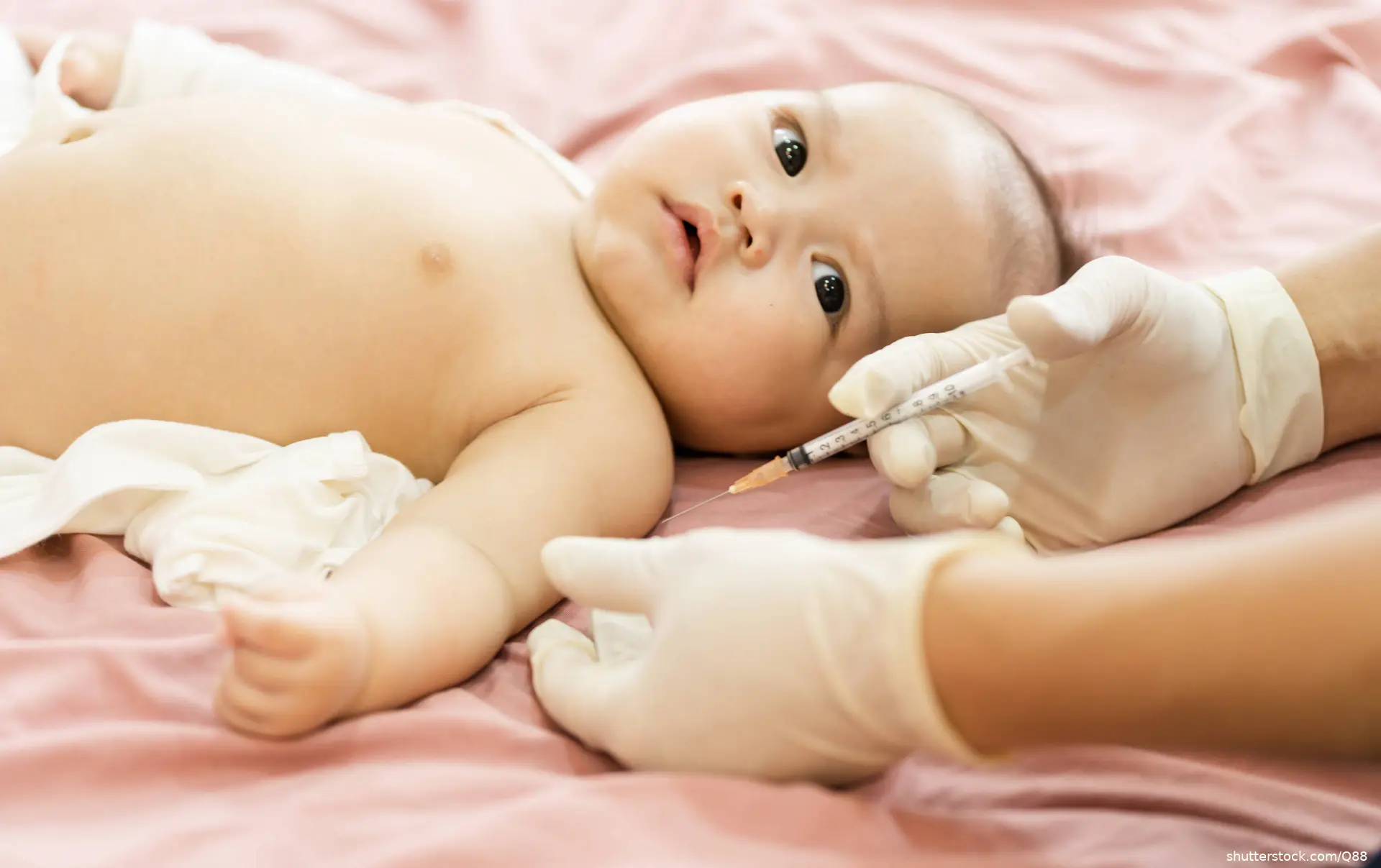
The share of US newborns not receiving intramuscular vitamin K at birth more than doubled from 2017 to 2025, and infants who did not receive it had higher rates of bleeding in the first 6 months of life, according to a retrospective cohort study published in JAMA.
The investigators noted that refusal of newborn vitamin K prophylaxis has been increasing in the US, placing more infants at risk for vitamin K deficiency bleeding. Using the Epic Cosmos electronic health record dataset, they analyzed 5,240,780 infants born at 35 to 43 weeks’ gestation from 2017 through 2025 at hospitals in all 50 states. Overall, 4.5% did not receive vitamin K, rising from 3.1% in 2017 to 6.8% in 2025.
Bleeding within 6 months occurred in 288.0 per 10,000 infants who did not receive vitamin K vs 185.9 per 10,000 who did, a statistically significant difference after adjustment for infant, maternal, and sociodemographic factors. Intracranial bleeding occurred in 33.0 vs 13.2 per 10,000, and death with a concurrent bleeding diagnosis during the birth hospitalization in 2.9 vs 1.1 per 10,000. Bleeding incidence rose over the study period in both groups, more steeply among infants who did not receive vitamin K (225.3 to 394.0 per 10,000) than among those who did (136.6 to 221.8).
Results were similar in sensitivity analyses that relaxed hospital inclusion criteria. The authors said the mortality estimates should be interpreted cautiously given small event numbers and because electronic health record data cannot establish temporal or causal links between bleeding and death.
The authors also noted that the composite bleeding outcome included diagnoses that may not reflect vitamin K deficiency, that clinicians may have been more likely to note bleeding when vitamin K had not been given, that home births were not captured and oral vitamin K use was unknown, and that unmeasured confounding is possible. They said the findings highlight the need for clinical and policy efforts to prevent neonatal morbidity and mortality due to vitamin K deficiency.
Source: Scott K, Handley SC, Lo JY, et al. Nonreceipt of newborn vitamin K and risk of bleeding. JAMA. Published online November 5, 2026. doi:10.1001/jama.2026.21764
Advertisement
Today's Joke
Cartoon Slide Show


Quiz

Medical Trivia 11/24/2026
1 questions · ≈ 1 min
to compete in the ranking.
×