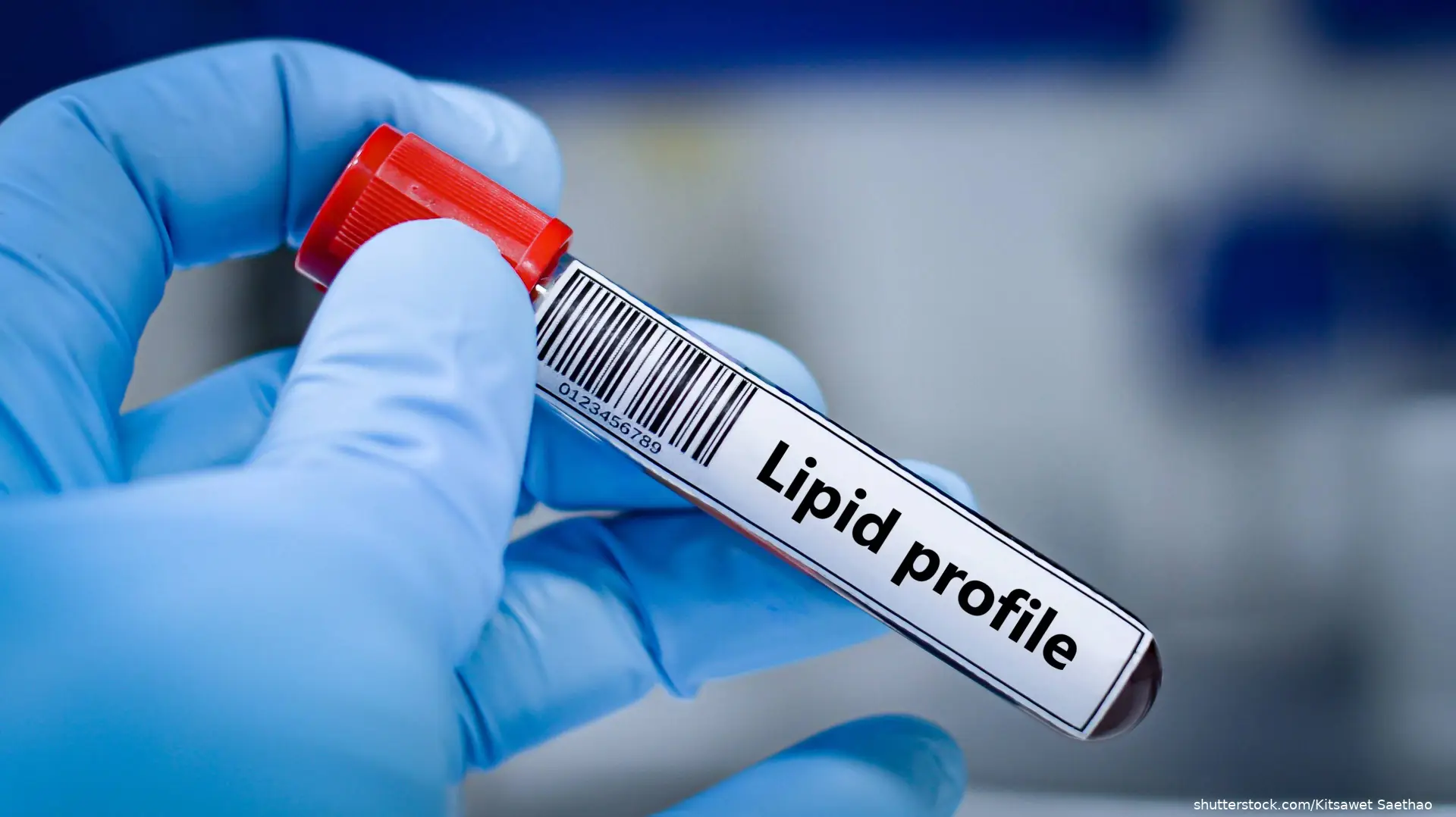
A cross-sectional analysis published in the Journal of the American Heart Association estimated that the 2026 American College of Cardiology (ACC)/American Heart Association (AHA) dyslipidemia guideline supports lipid-lowering therapy (LLT) for about as many US adults as the 2018 ACC/AHA cholesterol guideline did, but for a substantially different group.
The 2026 guideline replaces the pooled cohort equations with the atherosclerotic cardiovascular disease (ASCVD) component of the Predicting Risk of Cardiovascular Disease Events (PREVENT) equations, lowers the risk-based treatment threshold, and expands treatment criteria for diabetes and chronic kidney disease (CKD).
Using National Health and Nutrition Examination Survey 2021 to 2023 data, the researchers analyzed 1662 adults aged 40 to 75 years without self-reported ASCVD, representing about 115 million US adults. LLT was supported for 42.82 million adults under the 2018 framework and 42.17 million under the 2026 framework, a net decrease of 0.65 million. However, 5.40 million adults lost support and 4.75 million newly gained it.
Adults who lost support were predominantly men, a shift the authors suggested was largely driven by the move to PREVENT-based risk estimation. Newly supported adults had a high prevalence of diabetes and CKD stage 3 to 4. About 60% of guideline-supported adults were not receiving LLT under either framework. Among adults supported under the 2026 framework, 52.8% of those receiving LLT and 13.7% of those not receiving it were at a simplified low-density lipoprotein cholesterol goal. In a sensitivity analysis that added the guideline’s “reasonable” treatment-consideration pathways, the supported population rose to 76.30 million; the authors cautioned that these pathways depend on clinician–patient discussion and do not represent automatic eligibility.
The authors noted that the cross-sectional design precludes assessment of causal relationships or future outcomes, that LLT use was self-reported without data on drug class, dose, or adherence, and that some guideline components could not be captured in the survey data. They concluded that persistent undertreatment remains a major implementation gap.
Source: Hyun S, Sze CH, Singh S, Daneii P, Williams JL, Fernandez J. Population impact of the 2026 American College of Cardiology/American Heart Association dyslipidemia guideline on lipid-lowering therapy eligibility among US adults. J Am Heart Assoc. Published online November 12, 2026. doi:10.1161/JAHA.126.053443
Advertisement
Today's Joke
Cartoon Slide Show


Quiz

Medical Trivia 11/24/2026
1 questions · ≈ 1 min
to compete in the ranking.
×