
The American College of Cardiology (ACC) has issued a scientific statement supporting earlier identification and more sustained lipid lowering in people at increased risk of atherosclerotic cardiovascular disease (ASCVD), published in the Journal of the American College of Cardiology.
The statement, by Philip Greenland, MD, and colleagues, complements the 2026 ACC/American Heart Association multisociety dyslipidemia guideline, which recommends lipid screening in children aged 9 to 11 years and assessment of 10-year and 30-year ASCVD risk in adults aged 30 to 79 years. The ACC describes scientific statements as addressing areas where evidence is new, evolving, or limited; this one focuses on people at elevated risk who may not be identified by risk estimation or coronary artery calcium (CAC) scoring.
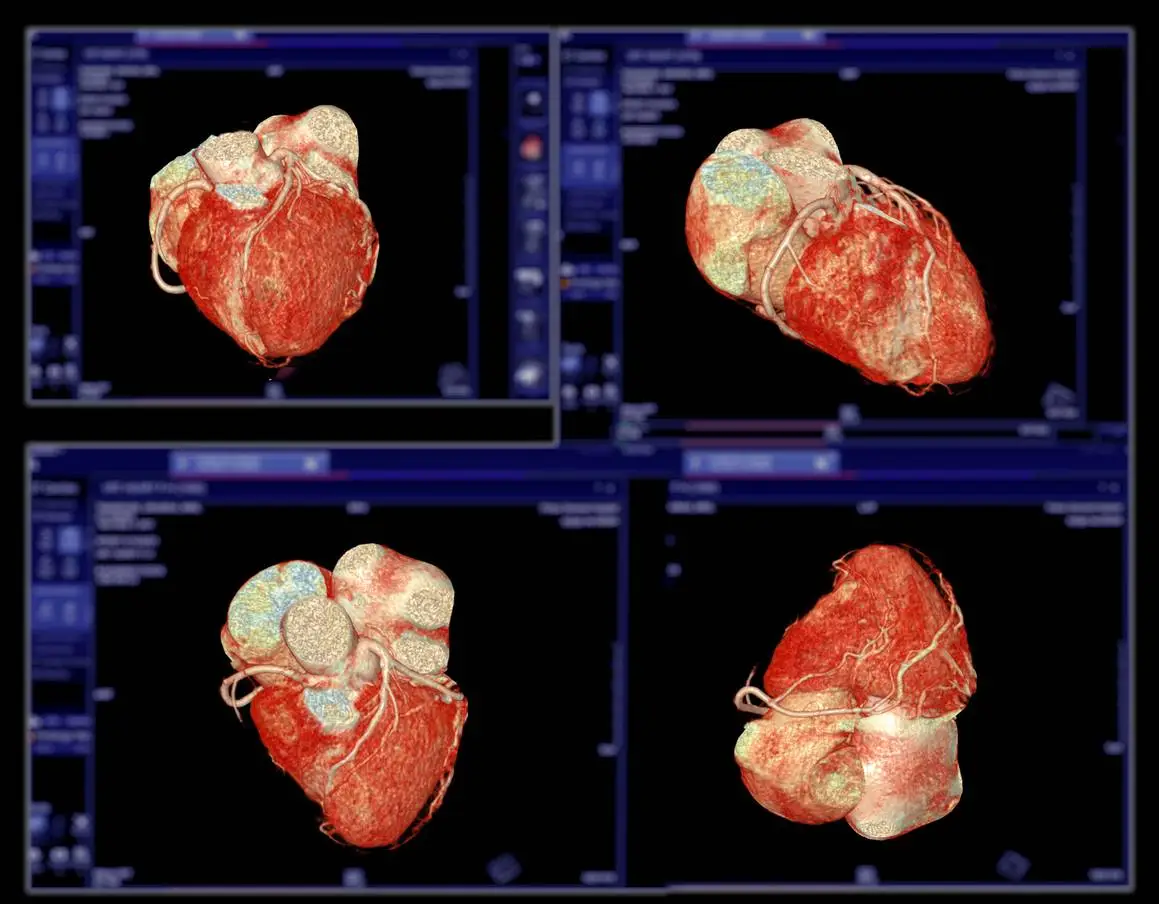
According to the statement’s consensus recommendations, there is a strong rationale for earlier and longer-term lipid lowering, including intensive lifestyle management and medications, in people with elevated ASCVD risk. Risk enhancers may be especially relevant for young adults with low estimated risk. A CAC score of zero does not derisk people at elevated risk, such as those with diabetes, active smoking, familial hypercholesterolemia, LDL-C above 190mg/dL, or a strong family history of premature ASCVD. Coronary CT angiography may be reasonable in selected asymptomatic men aged 40 years or older or women aged 45 years or older who are likely to have noncalcified plaque, when detecting plaque may change LDL-C goals.
The statement also says combination lipid-lowering therapy, even at the outset of treatment, should be considered when LDL-C or non–HDL-C goals are unlikely to be reached with statin monotherapy. Adding ezetimibe to a moderate-intensity statin may lower LDL-C by as much as 25% more, compared with 6% to 7% from doubling the statin dose, it notes.
The authors acknowledged that direct evidence remains limited in younger people at low short-term risk, because primary prevention trials excluded people younger than 40 years, those at low 10-year risk, or both. They called for randomized trials and decision models to establish the effectiveness, safety, and cost-effectiveness of earlier treatment.
Source: Greenland P, Badimon L, Bittner V, et al. Lipid-lowering strategies in the era of early atherosclerosis detection: 2026 ACC scientific statement: a report of the American College of Cardiology. J Am Coll Cardiol. Published online November 19, 2026. doi:10.1016/j.jacc.2026.10.067

Advertisement
Today's Joke
Cartoon Slide Show


Quiz

Medical Trivia 11/24/2026
1 questions · ≈ 1 min
to compete in the ranking.
×