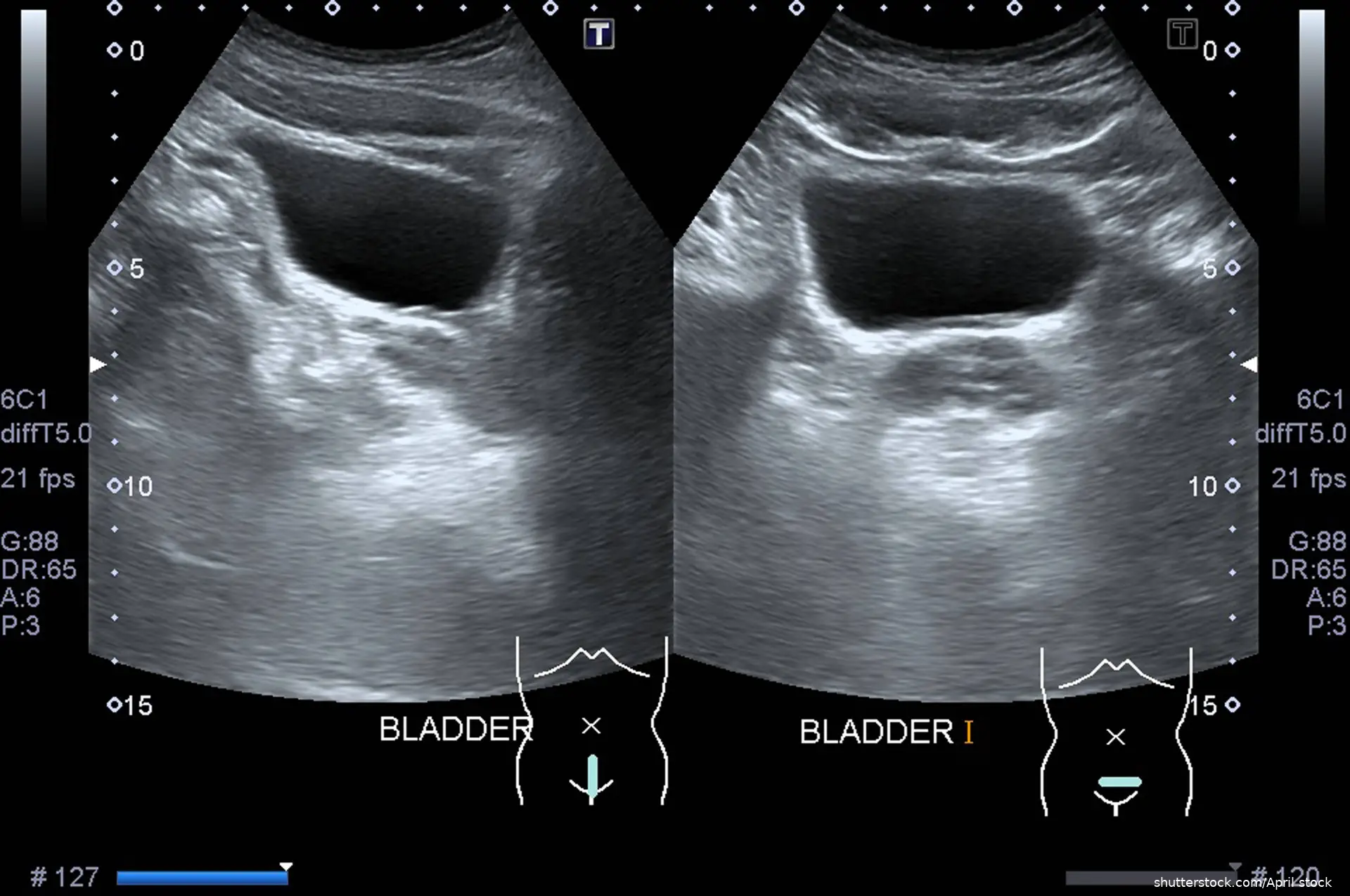
Adjuvant intravesical cretostimogene grenadenorepvec (CG Oncology) significantly improved recurrence-free survival compared with surveillance after complete tumor resection in patients with intermediate-risk and high-grade Ta non-muscle invasive bladder cancer (NMIBC), according to topline results from the phase 3 PIVOT-006 trial announced by CG Oncology. The topline data are based on a preliminary analysis, and the company said they will be presented as a late-breaking podium presentation at the Society of Urologic Oncology Annual Meeting on December 2, 2026.
Cretostimogene is an investigational, intravesically delivered oncolytic immunotherapy. According to the company, there are currently no FDA-approved adjuvant treatment options for this population of approximately 50,000 patients. Cretostimogene has received FDA Fast Track and Breakthrough Therapy designations for BCG-unresponsive NMIBC.
PIVOT-006 enrolled 367 patients at about 90 sites in the US and Canada and compared adjuvant cretostimogene with surveillance following complete tumor resection. Enrolled patients had recurrent low-grade Ta disease within 12 months, solitary low-grade Ta tumors larger than 3cm, multifocal low-grade Ta disease, solitary high-grade Ta tumors 3cm or smaller, or low-grade T1 disease. The company reported that the trial met its primary end point, with a statistically significant reduction in the risk of recurrence vs the control arm (hazard ratio, 0.32; 95% CI, 0.23-0.45). Median follow-up was 17 months as of October 26, 2026.
According to the company, cretostimogene was generally well tolerated, with no grade 3 or higher treatment-related adverse events and no treatment-related discontinuations. The release did not report overall adverse event rates or subgroup results.
CG Oncology said the PIVOT-006 data will support a biologics license application (BLA) in intermediate-risk and high-grade Ta NMIBC, anticipated in the second quarter of 2027. Based on FDA feedback, the company also plans to broaden its initial BLA submission in BCG-unresponsive NMIBC, previously focused on patients with CIS with or without papillary tumors, to include patients with high-grade papillary-only disease, with completion expected by the end of March 2027.
Source: CG Oncology. PIVOT-006 phase 3 registrational trial demonstrates unprecedented improvement in recurrence-free survival (RFS) for intermediate-risk and high-grade Ta non-muscle invasive bladder cancer (NMIBC). Press release. CG Oncology; November 16, 2026. Accessed November 17, 2026.

Advertisement
Today's Joke
Cartoon Slide Show


Quiz

Medical Trivia 11/24/2026
1 questions · ≈ 1 min
to compete in the ranking.
×