
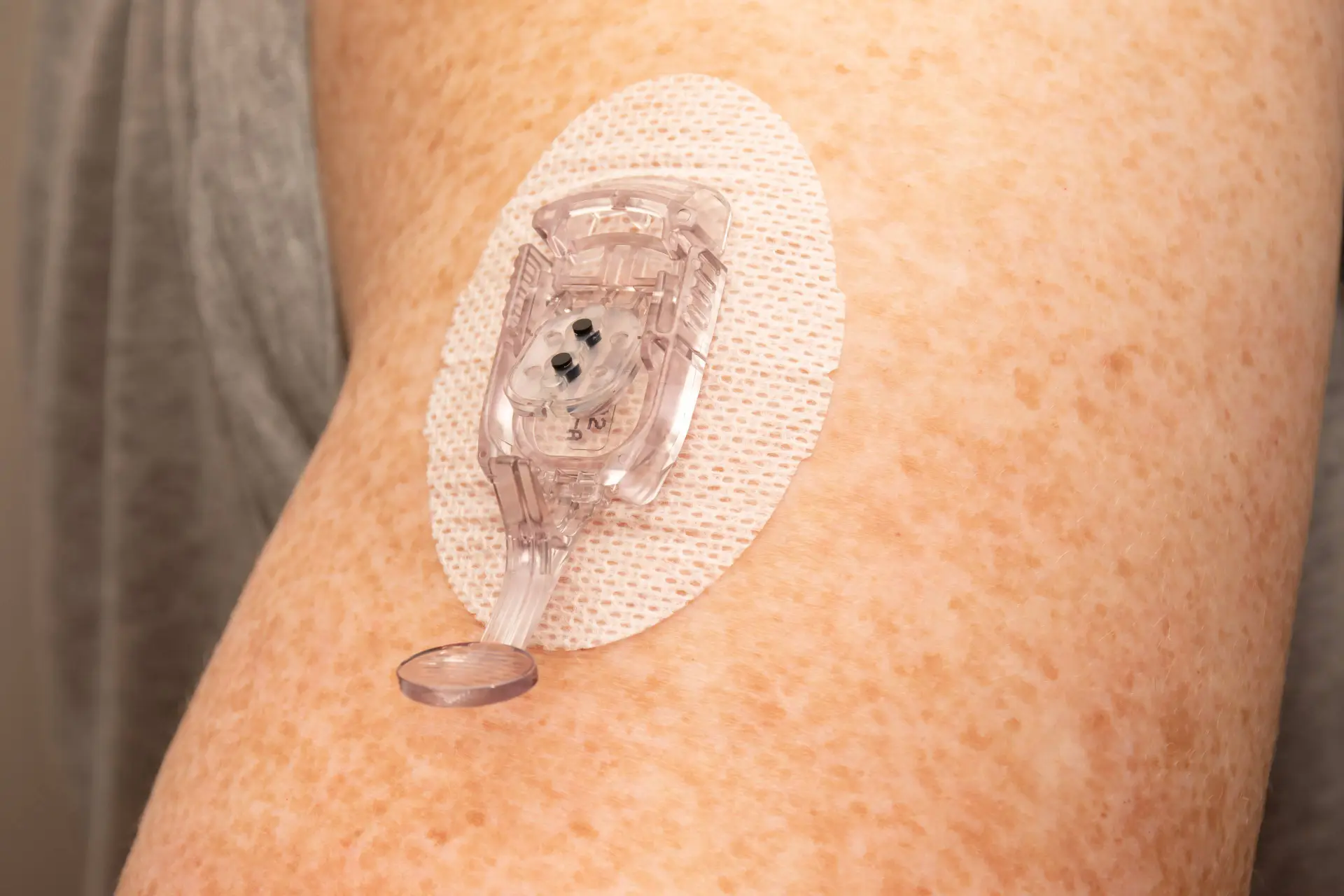
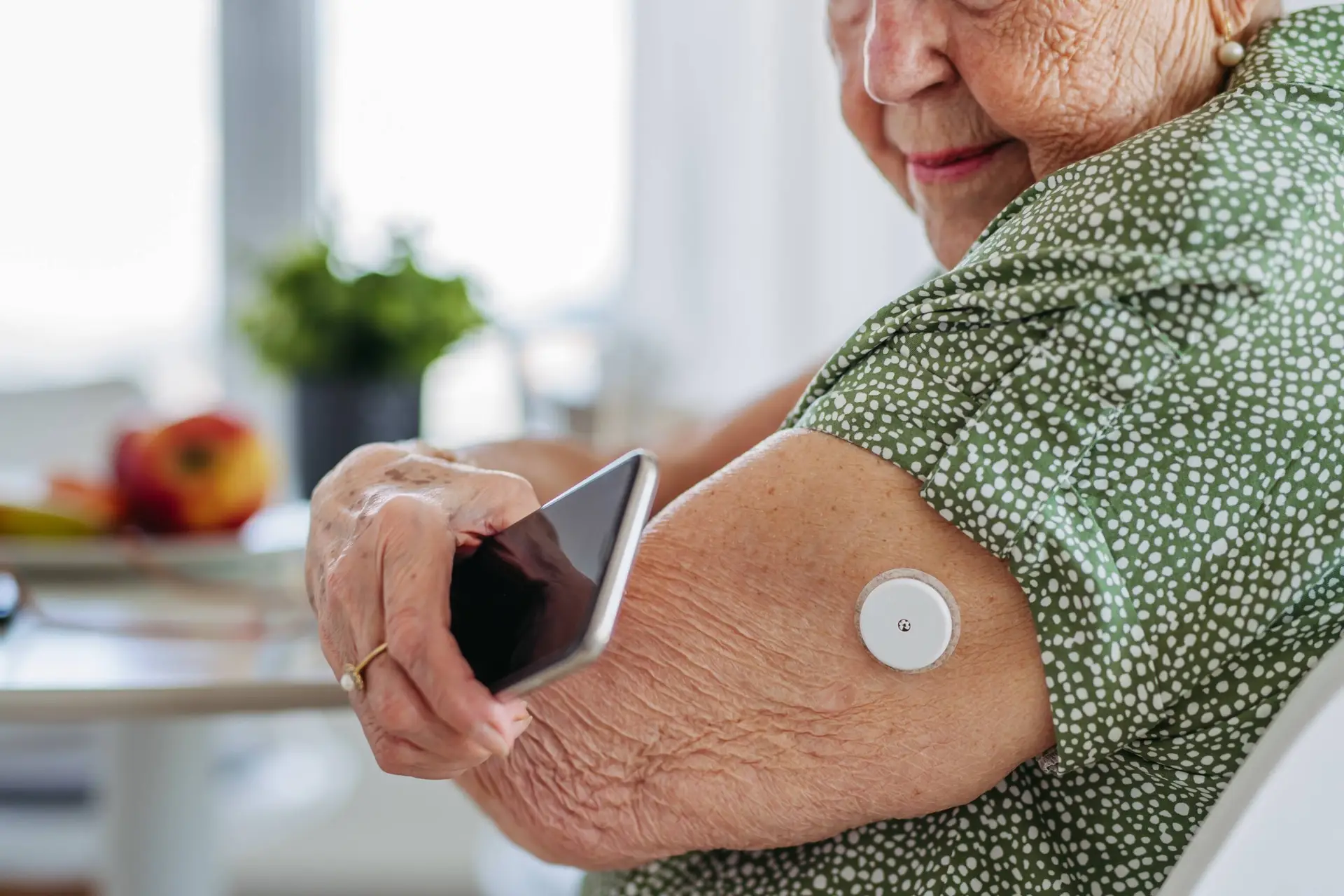
Automated insulin delivery (AID) was associated with improved glycemic outcomes in older and high-risk people with type 1 diabetes, according to a systematic review and meta-analysis published online in The Journal of Clinical Endocrinology & Metabolism.
The investigators noted that the efficacy and safety of AID in older adults (aged 60 years or older) and in high-risk populations, including people with impaired awareness of hypoglycemia or cognitive or functional impairment, had not previously been systematically evaluated.
The review, registered with PROSPERO (CRD420251273526), included 23 studies with 967 participants: 11 randomized controlled trials, 3 single-arm studies, and 9 cohort studies. Investigators searched CENTRAL, PubMed, Web of Science, Scopus, and ClinicalTrials.gov through March 10, 2026, and pooled results using random-effects models. AID increased time in range (70-180 mg/dL), the primary outcome, by 11.38% (95% CI, 8.07-14.70), equivalent to 2.7 hours per day. The investigators rated the certainty of this evidence as very low; heterogeneity was I² = 70%.
Time in range improved during the day (8.70%) and overnight (13.35%), and the improvement was comparable between commercial and noncommercial systems. AID also reduced time spent in hyperglycemia by 7.89% and in hypoglycemia by 1.16%. The investigators reported no significant differences in diabetic ketoacidosis or severe hypoglycemia events. No significant differences were observed in psychosocial well-being, which was assessed using Gold, Clarke, and Hypoglycemia Fear Survey scores.
The authors concluded that AID exhibits favorable glycemic outcomes and safety profiles in older and high-risk individuals with type 1 diabetes, suggesting potential benefits for populations traditionally considered vulnerable. They noted that psychosocial outcomes did not improve significantly.
Source: Oktavian P, Kencono Wungu CD, Amin IM, Mudjanarko SW. Glycemic and psychosocial outcomes of automated insulin delivery in older and high-risk populations with type 1 diabetes: a systematic review and meta-analysis. J Clin Endocrinol Metab. Published online September 30, 2026. doi:10.1210/clinem/dgag344

Advertisement
Today's Joke
Cartoon Slide Show


Quiz

Medical Trivia 10/30/2026
1 questions · ≈ 1 min
to compete in the ranking.
×
Loading