
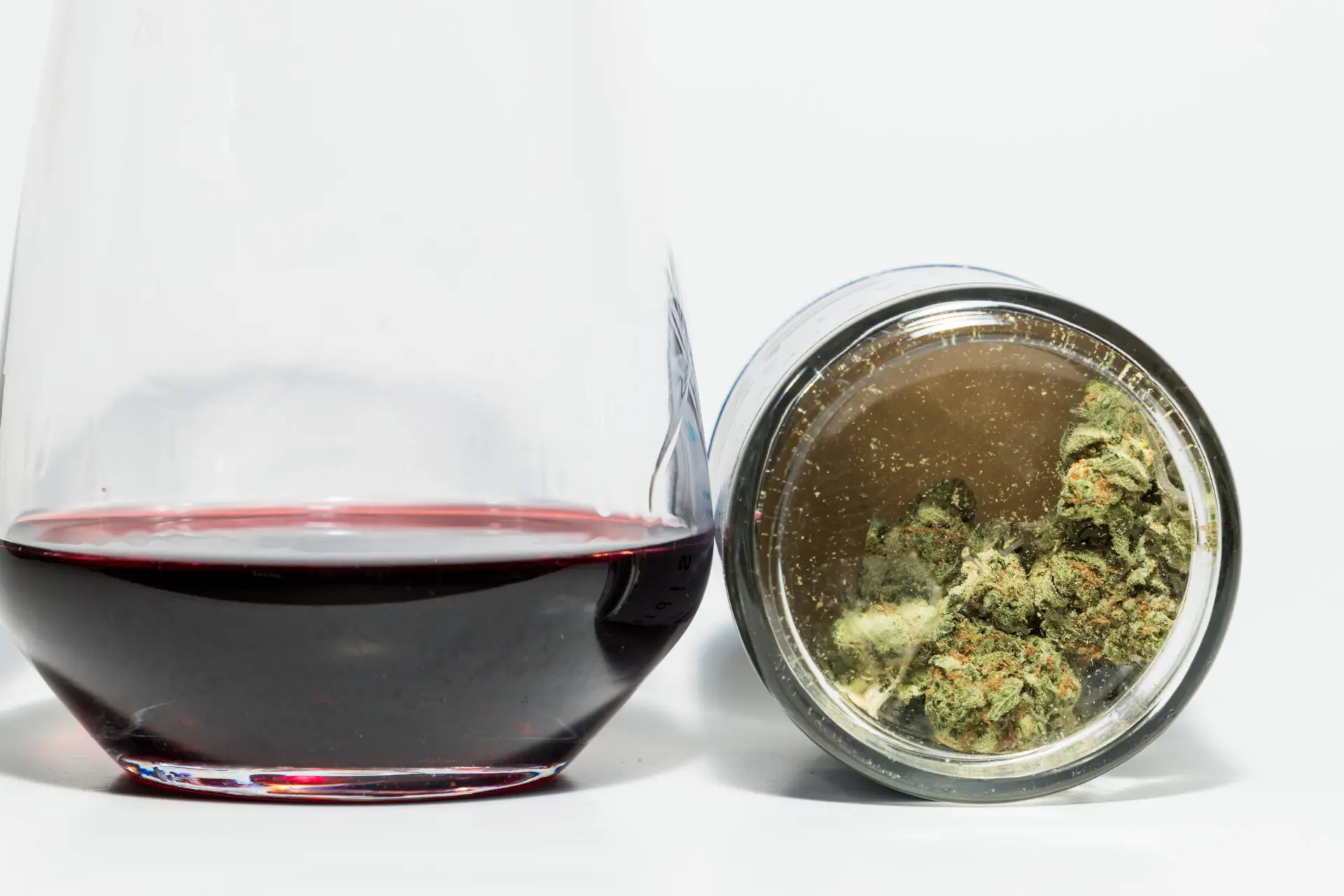
Cannabis has taken on an increasingly prominent role in substance-related emergency department visits and inpatient admissions among adolescents and young adults, while alcohol remains predominant among older adults, according to a retrospective cohort study published in the American Journal of Psychiatry.
Investigators noted that although age differences in alcohol and cannabis use are well established, age-specific trends in substance-related acute morbidity remain incompletely understood. Using Merative MarketScan Commercial and Multi-State Medicaid claims from 2016 through 2023, they examined the share of substance-related acute care encounters involving each substance, rather than absolute admission rates.
The cohort included 1,355,161 individuals aged 16 to 64 years with 5,190,680 substance-related encounters. Alcohol was involved in 19% to 26% of encounters among those aged 16 to 18 years and 73% to 76% among those aged 55 to 64 years; cannabis was involved in 70% to 78% and 10% to 11%, respectively. Alcohol’s share rose significantly among adults aged 25 to 34 years, by about 1.8 percentage points annually, and among those aged 35 to 44 years, by about 1.2 points, but declined among those aged 16 to 18 years. Cannabis’s share grew fastest among those aged 19 to 24 years (about 1.8 points annually) and 16 to 18 years (about 0.8 points).
Cannabis-related encounters involving psychosis or vomiting, the latter used as a proxy for cannabis hyperemesis syndrome, also increased, mainly in younger groups, although they remained numerically uncommon. When the analysis was restricted to inpatient admissions with cannabis as the primary diagnosis, trends were attenuated and the share declined among adolescents, which the authors said suggests cannabis may increasingly appear as a contributing diagnosis rather than the principal driver of acute care.
The authors noted that the proportion-based approach does not capture absolute changes in admission rates, that claims data lack geographic detail and may underestimate substance involvement, and that the vomiting code does not distinguish cannabis hyperemesis syndrome from other causes. They concluded that prevention and intervention strategies may benefit from tailoring to developmental stage.
Source: Steinle JT, Grucza RA, Buss JL, et al. Changing patterns of alcohol and cannabis acute care admissions by age in the United States, 2016–2023. Am J Psychiatry. Published online November 4, 2026. doi:10.1176/appi.ajp.20260023

Advertisement
Today's Joke
Cartoon Slide Show


Quiz

Medical Trivia 11/24/2026
1 questions · ≈ 1 min
to compete in the ranking.
×