
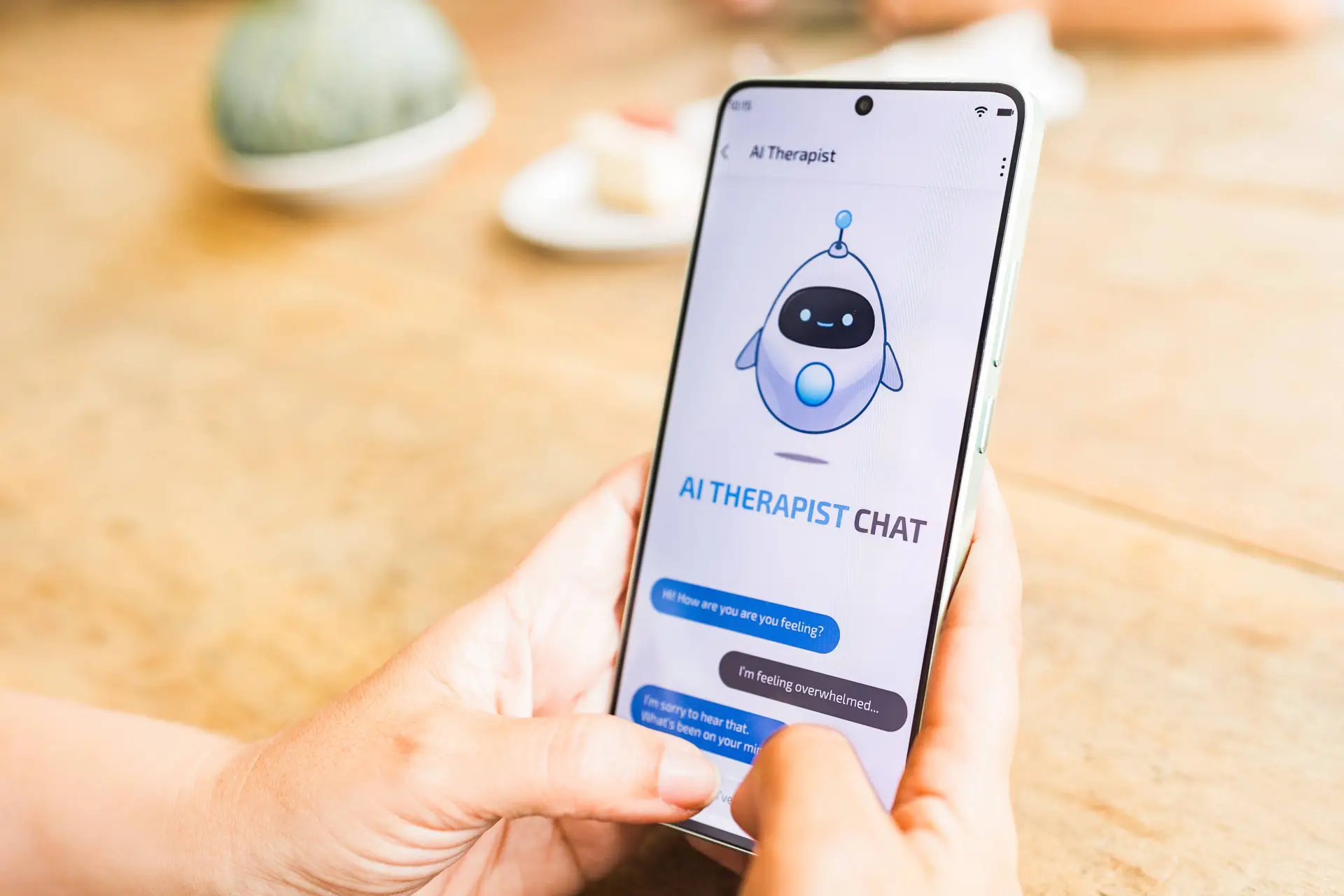
Access to a generative artificial intelligence (AI) maternal health chatbot did not improve anxiety or depression at 12 months among pregnant and postpartum individuals from racial and ethnic minoritized groups, according to a randomized clinical trial published in JAMA Network Open.
The investigators noted that generative AI chatbots are increasingly used to support maternal health but that randomized evidence is limited. The trial evaluated Rosie, a chatbot developed using community-engaged methods to provide evidence-based maternal and infant health information, reminders, and educational support. It included automated safety alerts for messages indicating distress, which were reviewed by a clinical social worker.
The trial enrolled 400 participants recruited online across 49 US states and the District of Columbia who were pregnant or parenting an infant younger than 6 months. Participants were randomized to chatbot access or an active control of monthly children’s books. Anxiety and depression scores were low overall, and the chatbot was not associated with significant differences in either primary outcome, measured with the Generalized Anxiety Disorder-7 and Patient Health Questionnaire-9. It also was not associated with differences in emergency department visits, postpartum care, contraception use, or sleep duration.
Among participants pregnant at enrollment, the chatbot was associated with more self-reported pregnancy-related complications in one adjusted 12-month analysis, but not in crude or longitudinal analyses; the authors described the finding as unexpected and hypothesis-generating. In exploratory within-group analyses, greater engagement was associated with longer sleep but higher anxiety scores, which the authors said could reflect reverse causation or anxiety amplification through repeated symptom-focused information seeking. No intervention-related adverse events were reported.
The authors noted that outcomes were self-reported, that the study was powered to detect moderate effects and may have missed smaller ones, and that the active control may have attenuated between-group differences. They concluded that generative AI maternal health chatbots may be better positioned as adjunctive tools than as stand-alone interventions.
Source: Norell EM, Yue X, Mane H, et al. Generative artificial intelligence and maternal health outcomes in pregnant and postpartum individuals: a randomized clinical trial. JAMA Netw Open. 2026;9(11):e2641062. doi:10.1001/jamanetworkopen.2026.41062

Advertisement
Today's Joke
Cartoon Slide Show


Quiz

Medical Trivia 11/24/2026
1 questions · ≈ 1 min
to compete in the ranking.
×