Coronary Inflammation Measured By An AI Algorithm Improved Cardiovascular Risk Prediction Beyond CAC Score
News
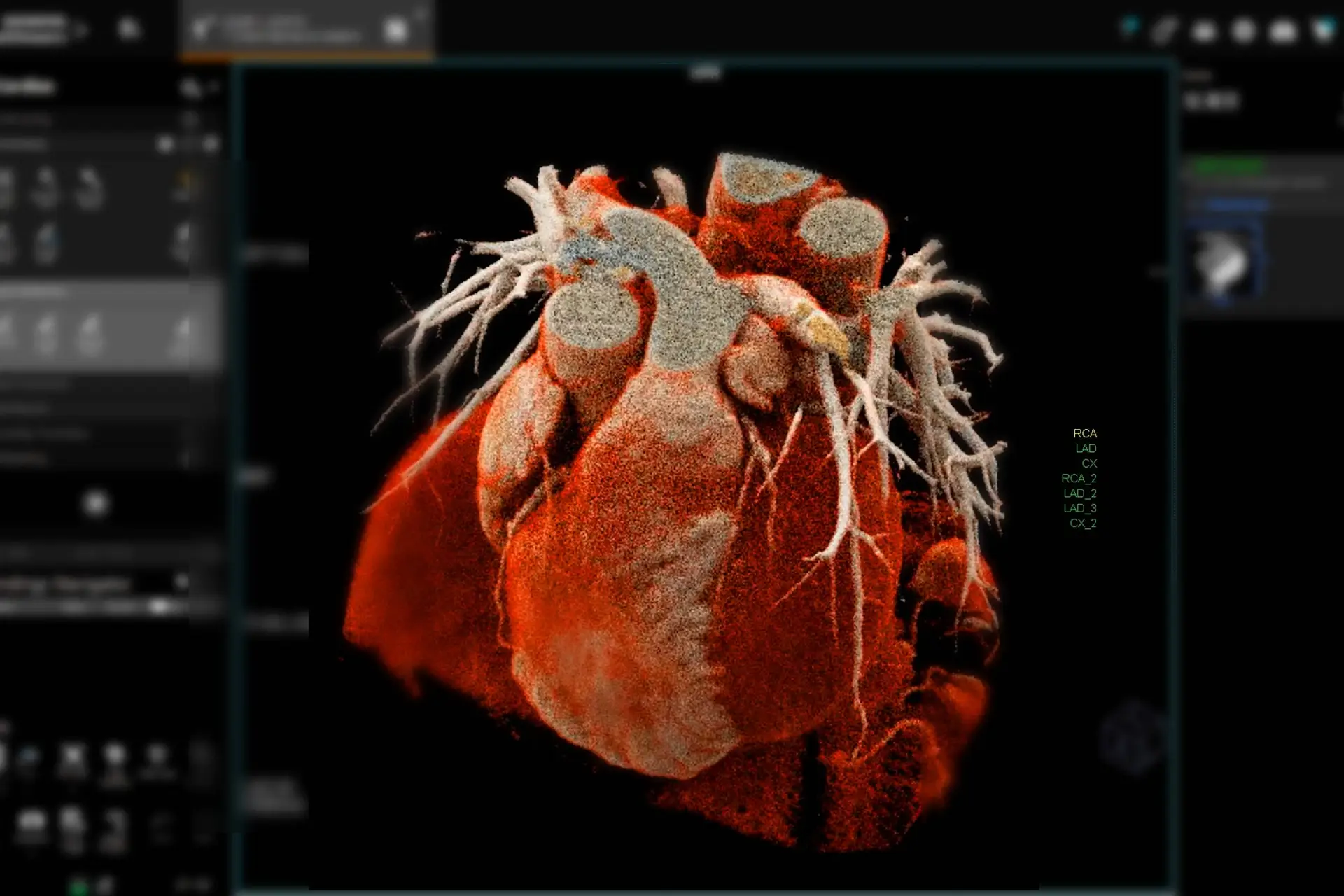
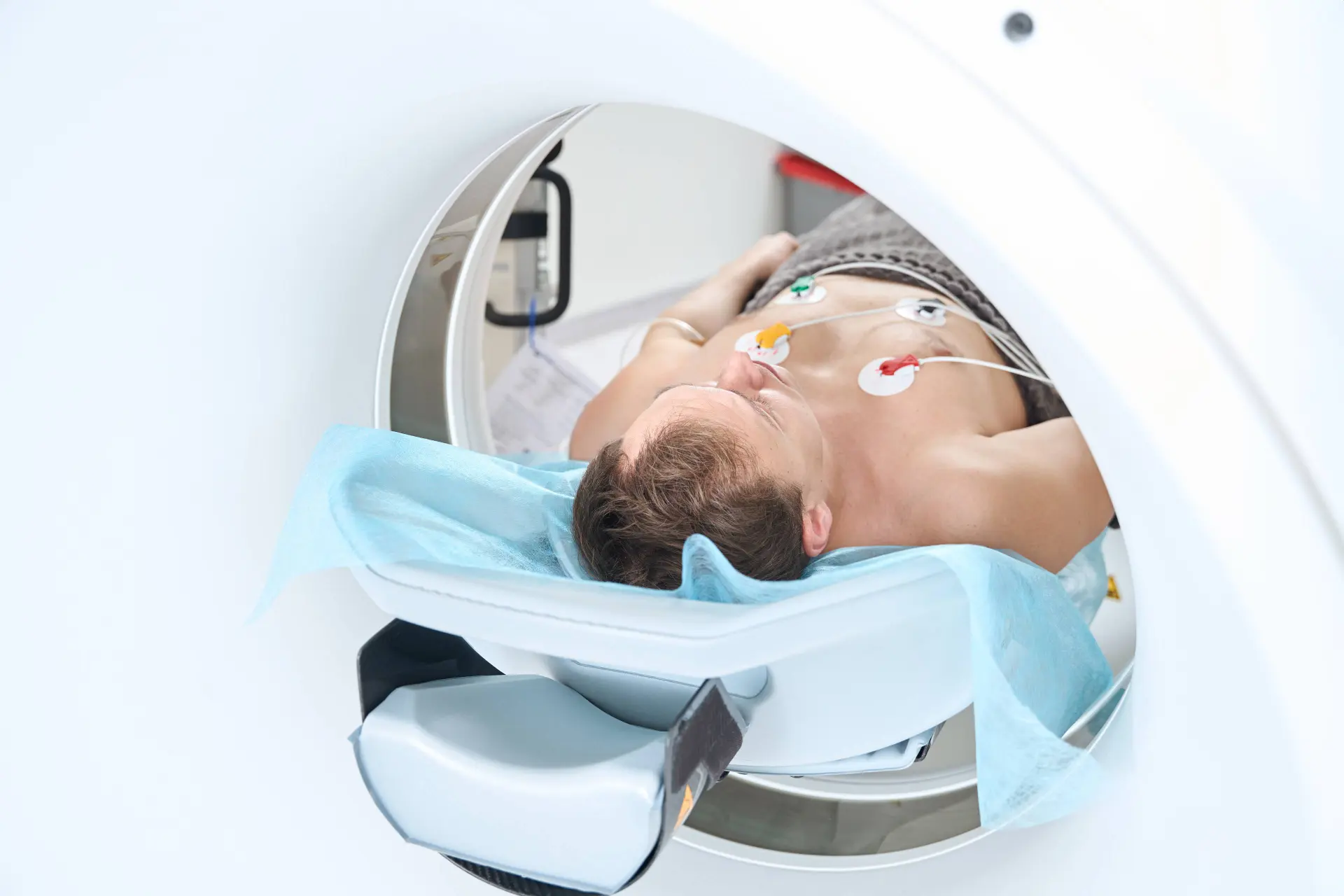
Coronary inflammation measured by an artificial intelligence algorithm on routine noncontrast cardiac computed tomography (CT) scans improved cardiovascular risk prediction beyond the coronary artery calcium (CAC) score, including in patients with a CAC score of 0, according to a cohort study in JAMA Cardiology.
The investigators measured the fat attenuation index (FAI) score, a marker of coronary inflammation, on the noncontrast scans used for CAC scoring with a research version of the CaRi-Heart device (Caristo Diagnostics). The authors describe the FAI score from contrast coronary CT angiography (CCTA) as FDA approved.
The algorithm was developed in 6818 patients and validated in 19,110 patients with suspected coronary artery disease at 10 UK hospitals in the Oxford Risk Factor and Non-Invasive Imaging (ORFAN) study. Over a median follow-up of 6.7 years, 536 cardiovascular deaths, the primary outcome, and 1727 major adverse cardiovascular events (MACE; myocardial infarction, new-onset heart failure, or cardiovascular death) occurred. Patients with CAC scores below 100 accounted for 42.3% of cardiovascular deaths and about half of MACE. Adding either FAI score to the CAC score significantly improved discrimination for cardiovascular mortality, with no significant difference between the two versions.
FAI scores stratified mortality risk across CAC categories, most strongly at a CAC score of 0. In that group, cardiovascular mortality rose from 1.4 to 4.0 per 1000 person-years and MACE from 5.9 to 13.3 per 1000 person-years with a noncontrast FAI score above the 75th percentile. That threshold captured nearly half of cardiovascular deaths among patients with CAC scores of 0 (44.9% of 89) or 1 to 99 (44.2% of 138).
The authors said an elevated FAI score should be interpreted as a risk-enhancing factor that may prompt intensified preventive measures. Limitations included a symptomatic population referred for CCTA, which may limit generalizability to primary prevention, and the lower spatial resolution of noncontrast scans.
Source: Chan K, Gissler MC, Sobirov I, et al. Assessment of coronary inflammatory risk from noncontrast cardiac computed tomography. JAMA Cardiol. Published online November 11, 2026. doi:10.1001/jamacardio.2026.5006

Advertisement
Today's Joke
Cartoon Slide Show


Quiz

Medical Trivia 11/24/2026
1 questions · ≈ 1 min
to compete in the ranking.
×