
Lower LDL and non-HDL cholesterol levels achieved after starting a statin for primary prevention were associated with fewer major adverse cardiovascular events (MACE), with no clear increase in all-cause mortality at very low levels after adjustment, according to a multiregional cohort study published in PLOS Medicine.
The authors noted that the cardiovascular and mortality benefits of reaching guideline-recommended LDL and non-HDL cholesterol concentrations with statins in primary prevention remain uncertain, and that some prior observational studies suggested very low levels might be associated with increased mortality.
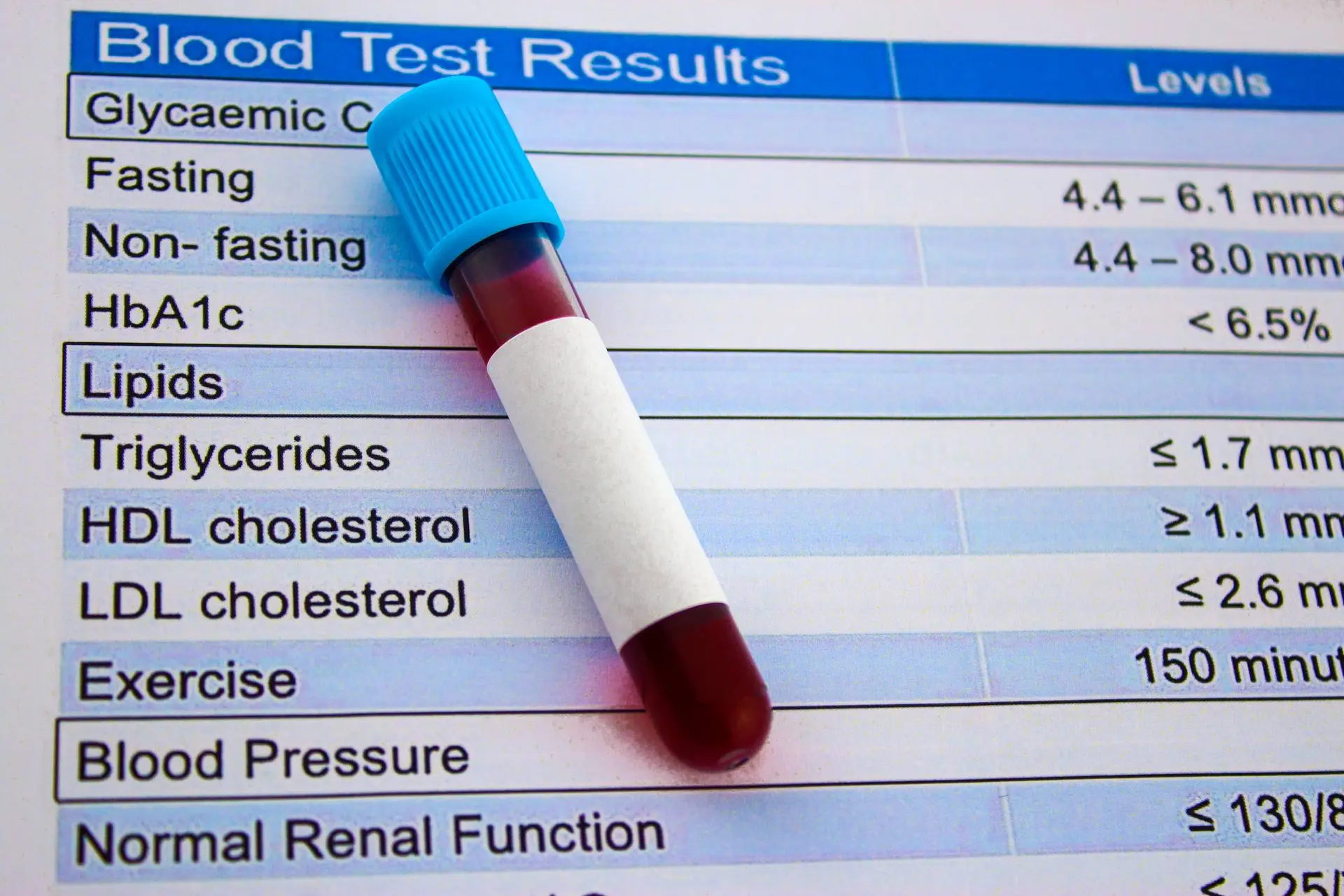
Using electronic health databases from Hong Kong, New Zealand, and the UK, investigators identified 185,237 adults who began statins between 2007 and 2012 without atherosclerotic cardiovascular disease, heart failure, or chronic kidney disease. At 2 years after initiation, 40.1% of patients had LDL cholesterol of 2.6mmol/L or higher and 3.8% had levels below 1.4mmol/L. Mean follow-up for MACE, defined as coronary heart disease, stroke, or cardiovascular death, ranged from 5.4 to 6.5 years by cohort. Compared with LDL cholesterol of 2.6mmol/L or higher, achieving 1.8 to 2.5mmol/L was associated with a lower risk of MACE (hazard ratio, 0.80; 95% CI, 0.77-0.83). Non-HDL cholesterol showed similar or stronger associations with MACE.
Very low LDL cholesterol was associated with higher all-cause mortality before adjustment, but neither very low LDL nor very low non-HDL cholesterol was clearly associated with mortality after adjustment for confounding factors, although the estimates were imprecise and differed between cohorts. In the New Zealand cohort, risk of MACE was higher at the lowest concentrations, which the authors said may reflect confounding by indication, reverse causation, and residual confounding. Patients with diabetes showed a larger associated reduction in MACE.
The authors cited limitations including heterogeneity across cohorts and possible residual confounding, and noted that the estimates depend on patients surviving to the 2-year landmark and undergoing follow-up lipid testing. They said the findings support achieving guideline-recommended targets of non-HDL cholesterol below 3.4mmol/L or LDL cholesterol below 2.6mmol/L within 2 years of starting a statin.
Source: Blais JE, Akyea RK, Harrison W, et al. Risk of cardiovascular events and mortality associated with LDL and non-HDL cholesterol levels after statin initiation for primary prevention: a multiregional cohort study. PLoS Med. 2026;23(11):e1005012. doi:10.1371/journal.pmed.1005012

Advertisement
Today's Joke
Cartoon Slide Show


Quiz

Medical Trivia 11/24/2026
1 questions · ≈ 1 min
to compete in the ranking.
×