Stopping All Lipid-Lowering Therapy After Statin Intolerance Linked to Higher Cardiovascular Risk
News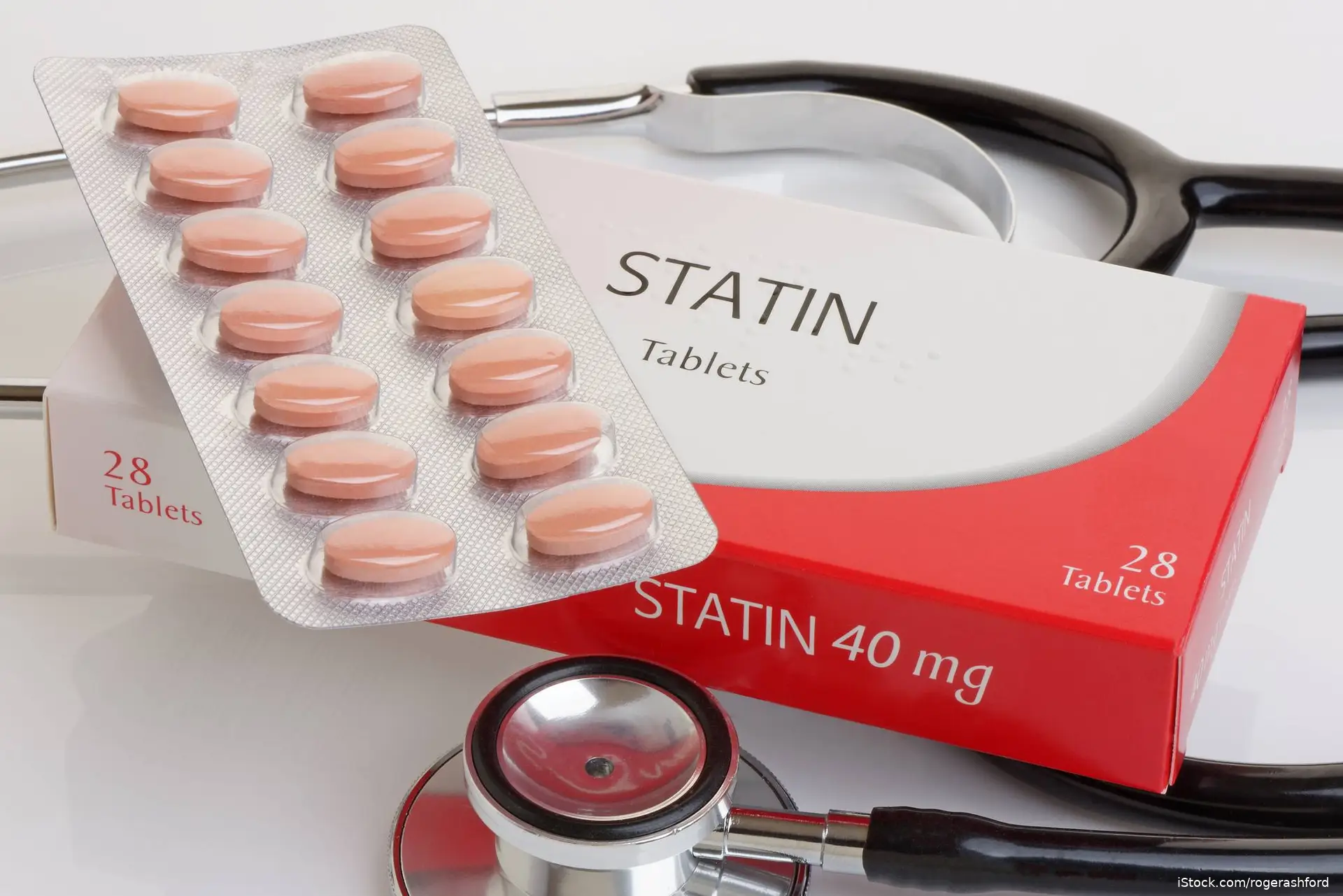
Clinician-documented statin intolerance was often followed by discontinuation of all lipid-lowering therapy (LLT), and stopping all therapy was associated with higher cardiovascular risk compared with continuing any LLT. The findings come from a 24-year health system analysis published in the Journal of the American Heart Association.
The retrospective cohort study used electronic health record data from 254,035 new statin users in the Mass General Brigham health system. Intolerance was identified from clinician-entered allergy and adverse reaction entries. The investigators characterized how intolerance was managed and assessed whether cardiovascular risk was concentrated among patients who discontinued all LLT.
Intolerance was documented in 4.2% of patients after a median of 3.1 years, most often for musculoskeletal symptoms (68.1%). Creatine kinase was measured within 90 days in only 25.5% of these patients, and it exceeded 10 times the upper limit of normal in 3.9% of those tested. Within 90 days of documentation, 39.9% of patients discontinued all LLT, and fewer than 10% received a nonstatin-based strategy. At 3 to 6 months, mean low-density lipoprotein cholesterol (LDL-C) rose by 6.8mg/dL among discontinuers and fell by 4.9mg/dL among continuers. Only 7.9% of patients with intolerance started a PCSK9 inhibitor, after a median of 2.7 years.
Compared with statin tolerance, intolerance was associated with higher risk of 7 of 9 outcomes, with the strongest associations for coronary artery bypass grafting and percutaneous coronary intervention. Associations with all-cause mortality and venous thromboembolism were not significant after correction for multiple comparisons. Within the intolerance cohort, discontinuing all LLT was associated with significantly higher risk across every outcome examined, including all-cause mortality (hazard ratio, 1.38; 95% CI, 1.26-1.52), myocardial infarction, and heart failure. Results were consistent in sensitivity analyses.
The investigators cautioned that residual confounding by frailty, symptom severity, adherence, or care patterns cannot be excluded. They added that the modest long-term LDL-C difference between groups is unlikely to fully explain the associations, and prescription records do not confirm dispensing. They concluded that complete discontinuation is an actionable marker of a high-risk state and that intolerance should prompt reassessment, statin rechallenge when appropriate, and timely nonstatin therapy.
Source: Supriami K, Akl EW, Abou-Karam R, et al. Statin intolerance, treatment gaps, and cardiovascular outcomes: a 24-year health system analysis. J Am Heart Assoc. Published online November 2, 2026. doi:10.1161/JAHA.126.053967

Advertisement
Today's Joke
Cartoon Slide Show


Quiz

Medical Trivia 11/24/2026
1 questions · ≈ 1 min
to compete in the ranking.
×